

Asphalt driveways are built to last, but even the strongest pavement eventually shows signs of age, wear, and weather damage. Homeowners often face one common question: Should I sealcoat my driveway or repave it entirely? Understanding the difference helps you make a smart, cost-effective decision that protects your investment.
What Is Sealcoating?
Sealcoating is a preventive maintenance service that applies a protective layer over your existing asphalt. It shields the surface from UV rays, oil spills, moisture, and oxidation—all of which contribute to cracking and color fading. Sealcoating should be done every 2–3 years, especially if your driveway is still structurally sound.
Best for Driveways With:
- Minor surface cracks
- Faded color
- Early signs of wear
- No major structural damage
Sealcoating restores the rich black finish of asphalt and extends its lifespan without the expense of full replacement.
What Is Repaving?
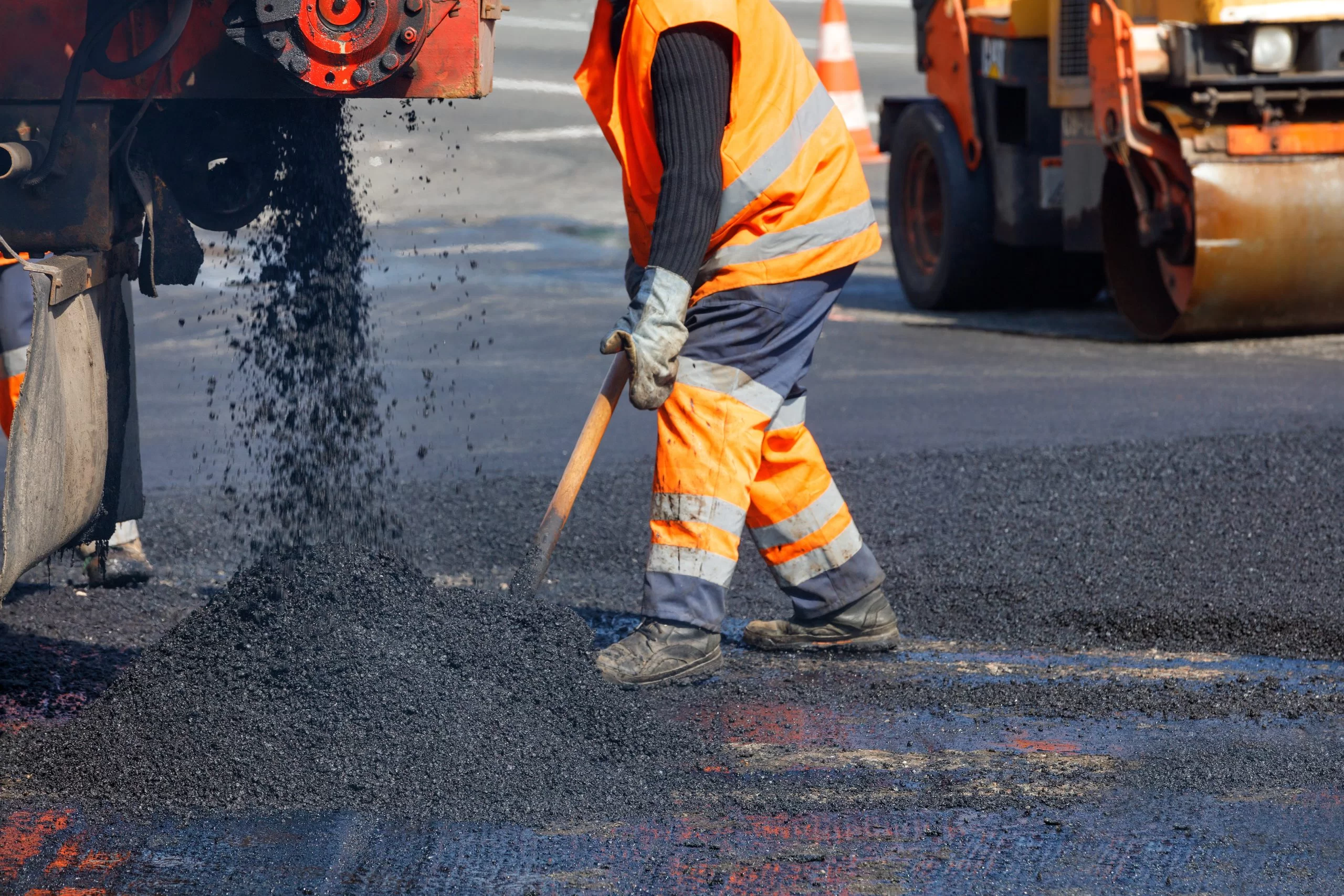
Repaving involves removing and replacing the top layer—or sometimes the entire base—of a driveway. This is required when the damage extends beyond the surface and affects the structural integrity of the pavement. Repaving provides a brand-new, durable surface built to handle heavy loads and harsh weather.
Best for Driveways With:
- Large potholes or deep cracks
- Uneven or sinking areas
- Crumbling or brittle asphalt
- Water pooling and drainage issues
Which Option Is Right for You?
If your driveway’s issues are mostly cosmetic, sealcoating is the smart, affordable choice. But if the foundation is compromised, repaving is necessary to avoid ongoing repairs and potential safety hazards.
Protect Your Driveway Investment
Choosing the right service now saves time, money, and frustration later. Jones Asphalt can inspect your driveway and recommend the most effective solution for long-lasting results. Request a FREE estimate.