

Why Pavers Start Shifting and Growing Weeds
Pavers look sharp, but time, rain, and foot traffic can cause joint sand to wash out. Once the sand disappears, pavers loosen, edges dip, and weeds take root in the gaps. In many cases, the surface is still in good shape, it just needs a targeted paver restoration plan instead of a full replacement. If you’re seeing uneven spots or green growth between pavers, acting early keeps the repair smaller and more affordable.
Fix Sunken Pavers the Right Way
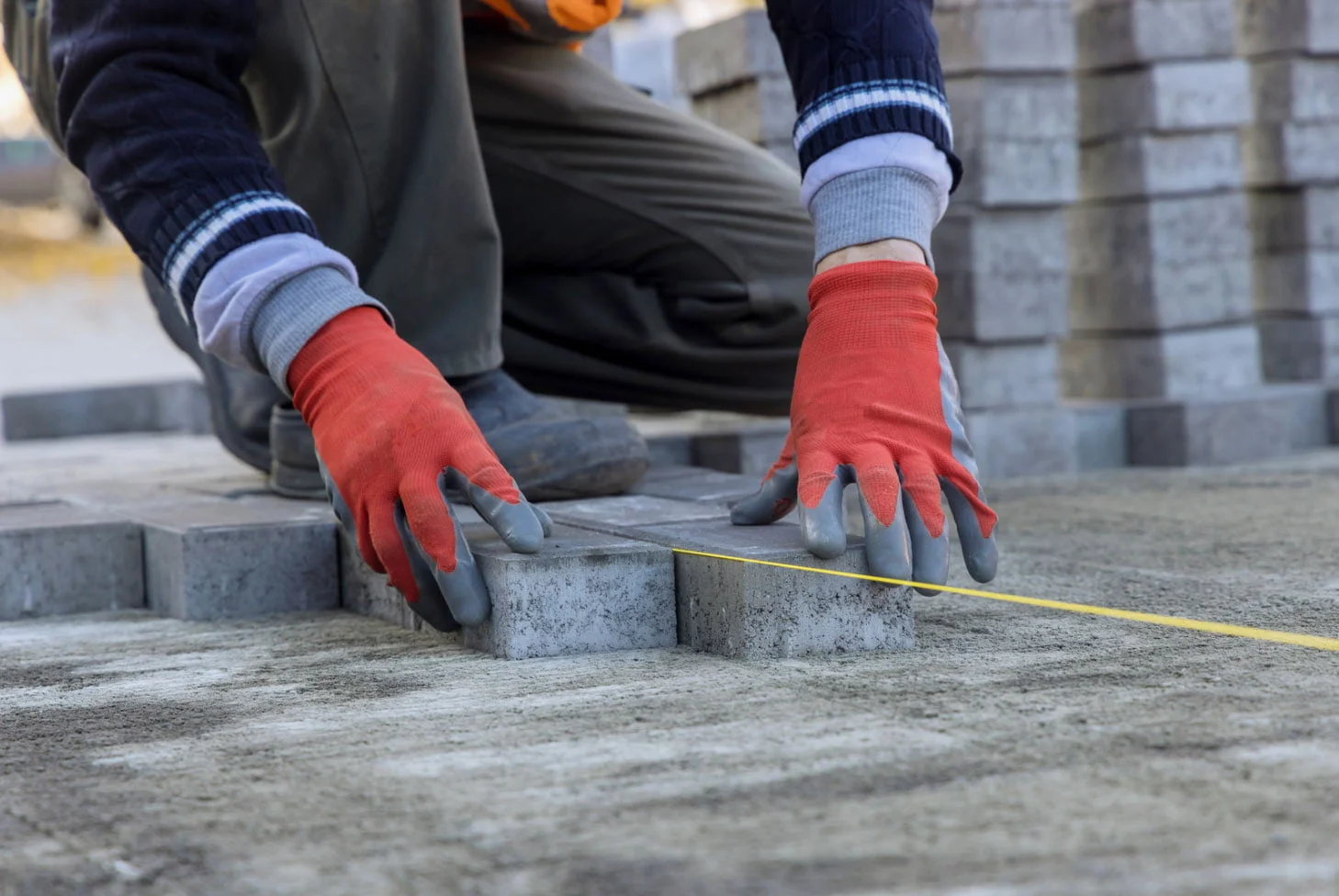
The best long term fix is to lift the affected pavers, correct the base, and reset them level. A proper base regrade, compacting, and clean bedding sand help prevent future settling. After the pavers are reset, the joints should be refilled with sand and compacted to lock everything together. For step by step help, see our paver restoration service page: Paver Restoration.
Refresh Joint Sand and Reduce Weed Growth
Once joints are refilled, many homeowners choose polymeric sand because it helps resist washout and limits weed growth when installed correctly. A protective sealer can also help stabilize the surface and enhance color.
When to Call a Pro
If multiple areas are sinking, drainage is pooling, or edges are failing, it’s smart to get an expert assessment. Contact our team to schedule an evaluation: Request an Estimate.