

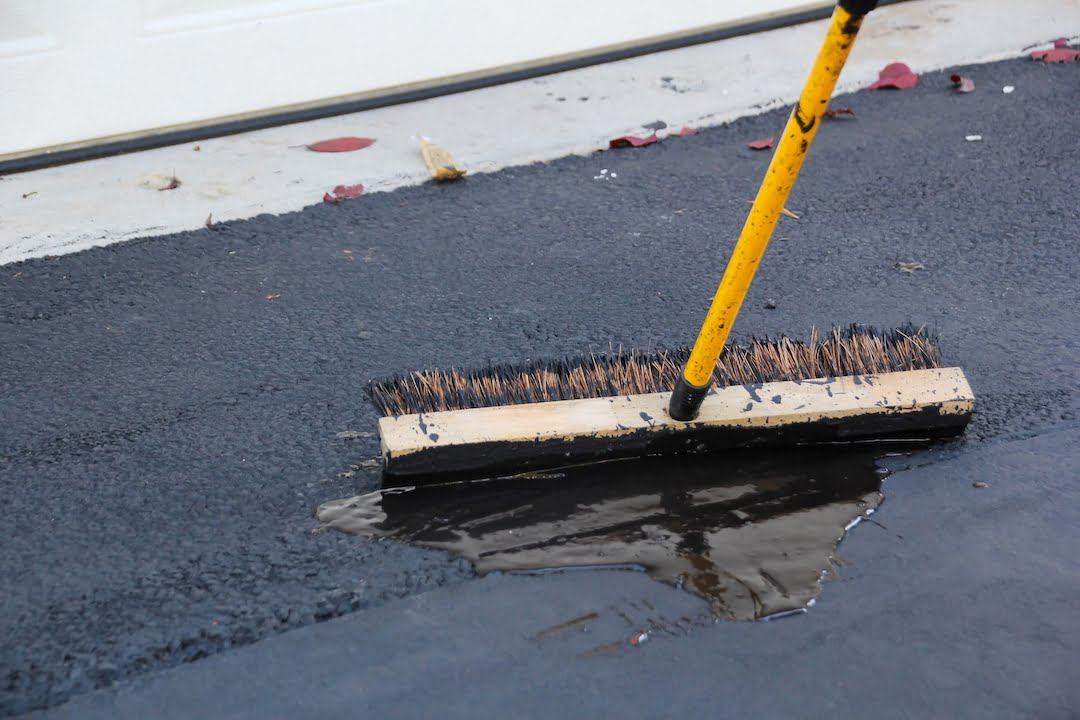
Sealcoating is one of the most effective ways to protect and extend the life of your asphalt. But one of the most common questions property owners ask is: how often should it be done? The answer depends on usage, climate, and the current condition of your pavement.
General Sealcoating Timeline
For most residential driveways, sealcoating is recommended every 2–3 years. Commercial parking lots, which experience heavier traffic, may require sealcoating every 1–2 years. Regular maintenance helps protect against wear and keeps your asphalt looking fresh and professional.
If you’re unsure about timing, professional asphalt maintenance services can assess your pavement and recommend the right schedule.
Factors That Affect Frequency
Several factors influence how often sealcoating is needed. High traffic volume, exposure to UV rays, and harsh weather conditions can accelerate asphalt deterioration. Oil spills, water penetration, and poor drainage also weaken the surface over time.
In these cases, combining sealcoating with crack filling services can prevent minor issues from turning into costly repairs.
Signs Your Asphalt Needs Sealcoating
Instead of relying only on time, watch for visible signs. If your asphalt appears faded, gray, or brittle, it’s likely time for a new sealcoat. Small cracks, surface roughness, or areas that absorb water quickly are also indicators that protection has worn off.
Addressing these issues early with sealcoating solutions helps restore durability and appearance.
Why Sealcoating Matters
Sealcoating acts as a barrier against water, chemicals, and UV damage. Without it, asphalt can deteriorate faster, leading to potholes and structural damage. Regular sealcoating not only extends pavement life but also reduces long-term repair costs.
Pairing it with asphalt repair services ensures your surface stays strong and safe year-round.
Protect Your Investment
Consistent sealcoating is a small investment that delivers big returns. By maintaining a proper schedule and addressing early damage, you can keep your driveway or parking lot in excellent condition for years to come.